Sometimes even trainers need a kick in the rear end….
I admit, this morning when I was getting ready to teach my classes, I was not the prime example of a peppy fitness instructor.
In fact…I was grumpy.
It was rainy on my drive to work at 6:40 am to teach two hours of HIIT/strength classes.
Twenty minutes in and I was finally better because my clients were talking about how excited they were for my new challenge called “planksgiving.”
We are working our way up to a 2-3 minute plank the day before Thanksgiving. They don’t think they can do it, but I know they can.
So what cured my grumpy butt were my clients trusting me to help them accomplish a goal.
For extra encouragement I even had an online client wake up early and workout this morning, which was some icing on my cake.
And they are excited about it!
So even coach me, this morning needed a little extra boost, a little push to “show up.”
If you are not losing weight, you are not in a calorie deficit.
Here is how you will know:
You are losing weight, probably about 1 pound per week.
You will be hungry.
Will it be exactly a pound a week? No. Will you be ravenously hungry. No.
Any weight loss diet that says “lose weight without being hungry” is a sham. Stay away from it.
Sounds too good to be true? Probably is.
Here are some tips to help pinpoint inaccuracies with recording your calories. When you aren’t losing weight, recheck your calorie tracking. Make sure you are 100% honest with tracking everything. If you aren’t 100% honest with the numbers, you will be 100% likely not to lose weight from any weight loss plan.
Dos and Don’ts
Don’t rely on memory. Whether you are on a diet or not, it is hard to remember everything that you eat during the day.
Do get a portable calorie-tracking device. This might be a small notebook that you throw in your purse or it might be a downloadable app for your smartphone.
Don’t use guesswork to determine portion sizes. People tend to underestimate their food portions.
Do invest in a kitchen scale. A scale will help you see exactly how big a serving size really is.
Don’t forget to record snacks or nibbles. A common mistake made by calorie counters is to ignore small snacks or nibbles.
Do break down the major nutrients. In addition to recording total calories, be sure to record protein, carbohydrate, and fat grams for each food you eat (or use an app like My Fitness Pal.)
How many calories should you consume for weight loss? What should your macros look like?
This depends on various factors including age, current weight, gender and activity level. If you need help, contact me and I will help you construct a plan that not only helps you reach your goals, but will help you change your lifestyle so you won’t have to go through another weight loss plan.
When something isn’t working and you can’t fix it yourself, you reach out for help. Why not when it comes to fitness and nutrition?
Think about how many times you call a plumber, auto-mechanic, electrician, doctor, lawyer because you need help beyond the scope of your own expertise.
Even the google search bar can only help so much when it comes to things we may need help with.
So why are we so worried about what other people think when we have to admit we aren’t in shape and yes, we have some weight to lose?
Why is it easier to admit we can’t fix a plumbing issue with our kitchen sink and need help? How dare we call for help when it comes to our own health and fitness.
Because we are talking about our kitchen sink needing repair and not ourselves.
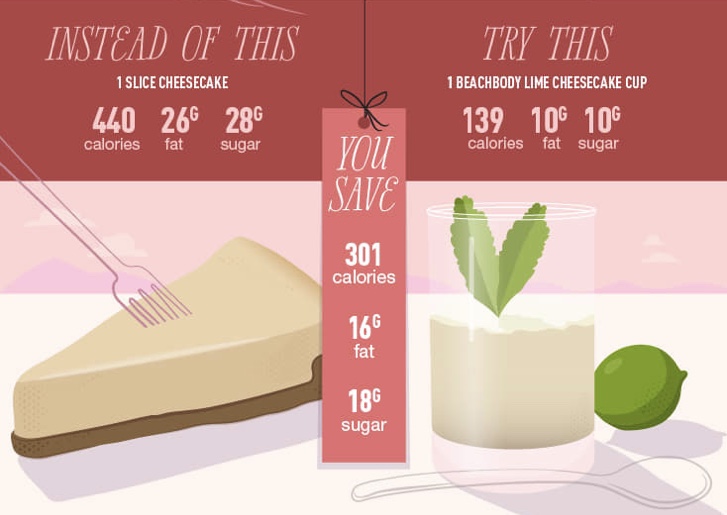
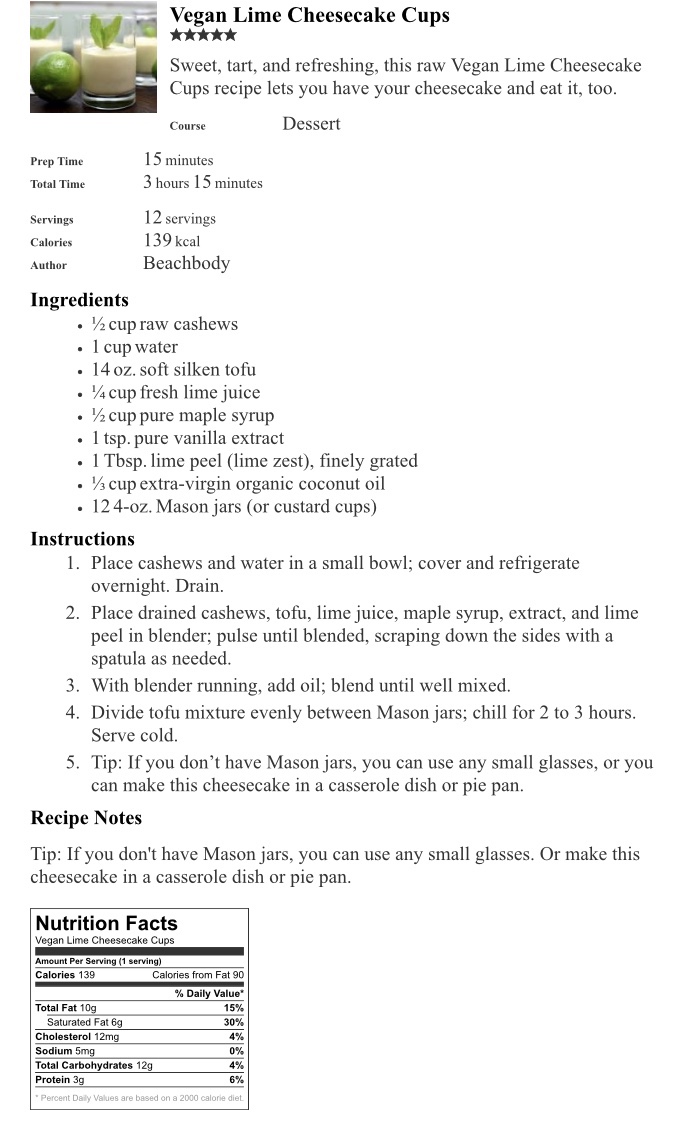
Swap this for that. Day 3 – Key Lime Pie
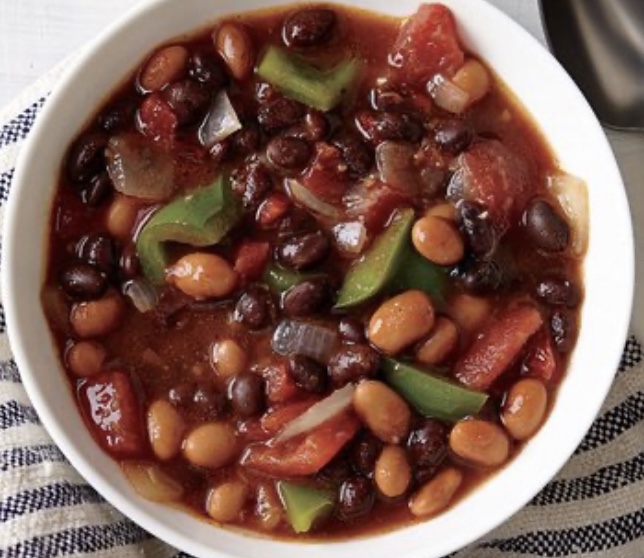
Need a chili recipe? This one is vegetarian although you can add turkey or beef if you like. Enjoy!
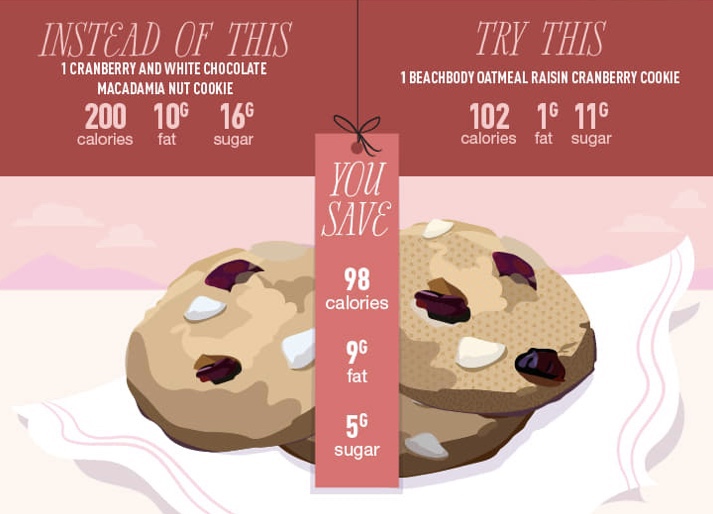
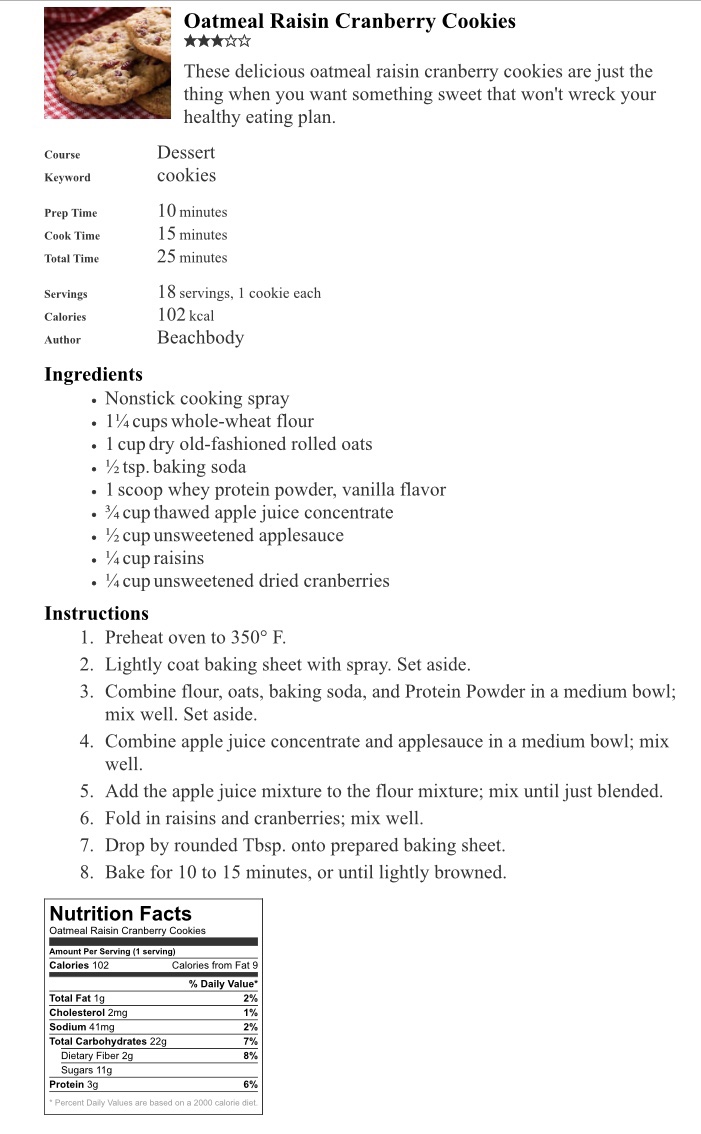
Day 2 – Oatmeal Raisin Cranberry Cookies
3500…..
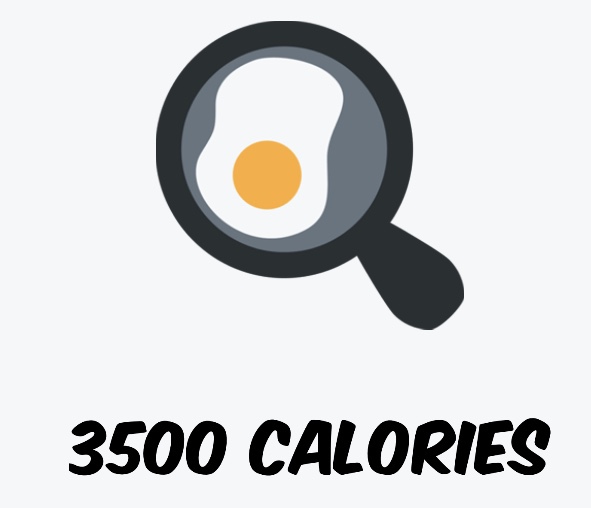
That’s the caloric magic number to gain or lose one pound.
That’s 500 calories per day that would equal one pound of gain or loss a week.
500 calories consumed is one plain bagel with 3 oz of cream cheese or…
500 calories expended is a 150 pound person running 5 miles.
Which is easier to do?
This is why nutrition plays a critical role in weight loss or gain. A relatively small amount of food is easier and faster to consume than doing large amounts of exercise each day.
Simply…weight loss happens mainly on the nutritional side of the equation.
 Descending Dove